

The airline industry in the United States has fundamentally changed in recent years, and that largely centers around the big airlines earning a significant percentage of their profits from their loyalty programs. Successful loyalty programs require scale, and it makes it harder for the little carriers to compete.
Along those lines, one of the airline industry’s most respected analysts has made an interesting argument that I think is worth covering (thanks to JonNYC for flagging this)…
Jamie Baker sees potential M&A upside for JetBlue
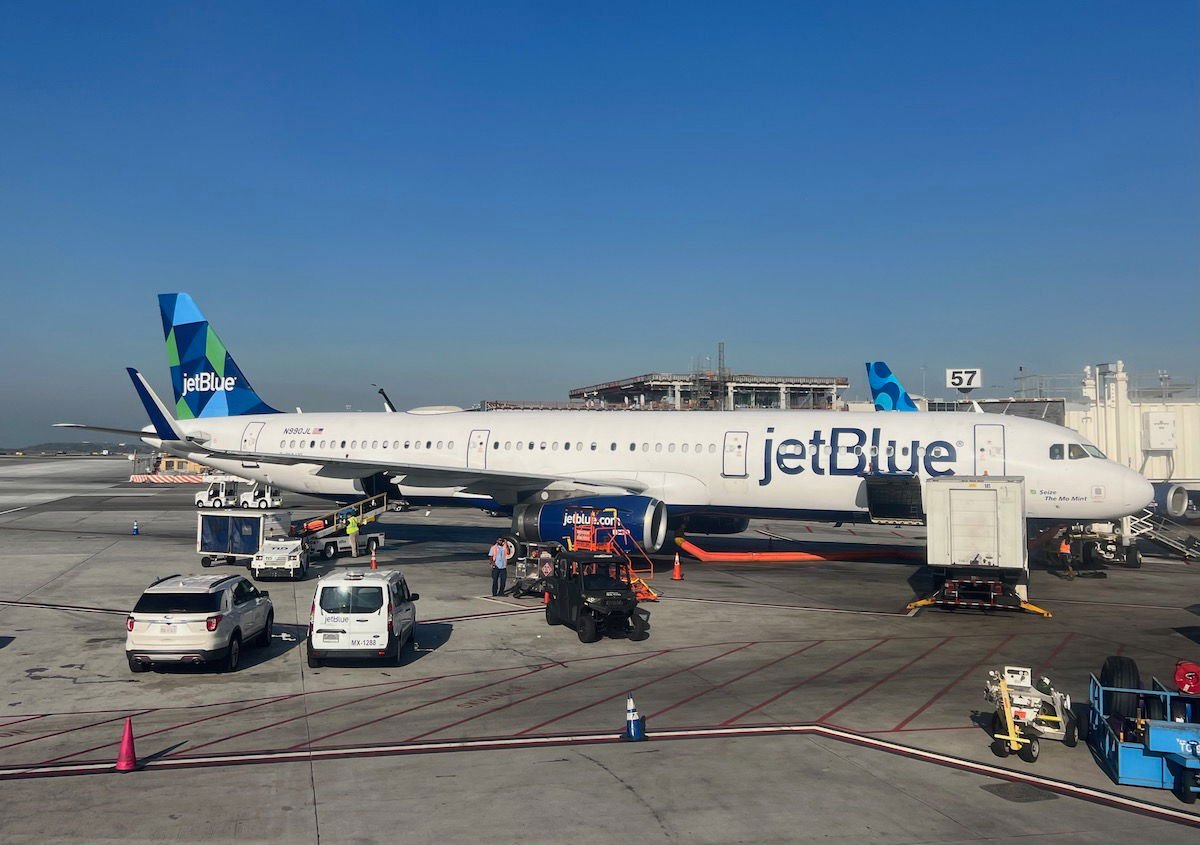
JetBlue is a uniquely positioned airline in the US market. The carrier isn’t profitable, but it actually has super valuable assets (including its presence at JFK), and it’s also not an ultra low cost carrier. We’ve now seen JetBlue and United launch a partnership, and that’s ramping up slowly, with the goal being for United to get slots at JFK in 2027 at the earliest.
If regulatory hurdles weren’t an issue, I have to imagine that United would acquire JetBlue in a heartbeat (even if United CEO Scott Kirby often dismisses the prospect). That brings us to some commentary from JPMorgan analyst Jamie Baker.
He argues that there’s potential upside for JetBlue from M&A discussions, believing that the current partnership with United is just the tip of the iceberg. Well, of course, that’s something we sort of all knew. But here’s where it gets more interesting…
Baker argues that investors should keep an eye on the ongoing rail M&A developments, where two players with more than 20% market share (Norfolk Southern and Union Pacific), are looking to combine, and would control up to 45% of market share.
Baker and his team think that it’s much more likely that JetBlue will be acquired than file for Chapter 11 bankruptcy. He points out that JetBlue and United combined would only have as much domestic market share as American and Delta (around 16%). Meanwhile a JetBlue and Alaska tie-up would result in a mere 7% domestic market share, and a JetBlue and Southwest tie-up would lead to 22% market share.
So as Baker wrote, “to summarize, we think there could be another round of airline consolidation under the current administration (or the next one, perhaps) depending on the outcome in the rail space.”
It’s going to be interesting to see how this plays out
I agree with Baker 100% here. I’ve written extensively about my thoughts on JetBlue’s prospects, and whether the airline can have an independent future, or if consolidation is the only option. In terms of domestic market share (which is what should matter most from a regulatory standpoint), it seems like consolidation with either Alaska or United should be acceptable, given that United is smaller than American and Delta domestically.
Another key question is overall presence in New York. United of course has a fortress hub at Newark, but has no presence at New York Kennedy, and a very small presence at New York LaGuardia. If you consider those all to be a single market, obviously United also having a significant presence at Kennedy and LaGuardia would be a major issue. But if you view them as independent markets, it would be a different story. Personally, I think having United at Kennedy and with a bigger presence at LaGuardia would only improve the competitive dynamics.
But what matters most is how the government views things. The Trump administration has been sort of tough on consolidation, in some ways, but mostly when it comes to consolidation with foreign firms.
I know everyone likes to say “consolidation is bad for consumers,” but the reality is that at the major airlines, the banks are subsidizing ticket costs, while at the smaller airlines, shareholders are subsidizing ticket costs. The former can continue (as long as there’s no major change to the banking environment), while the latter can’t continue forever. Just look at Spirit.
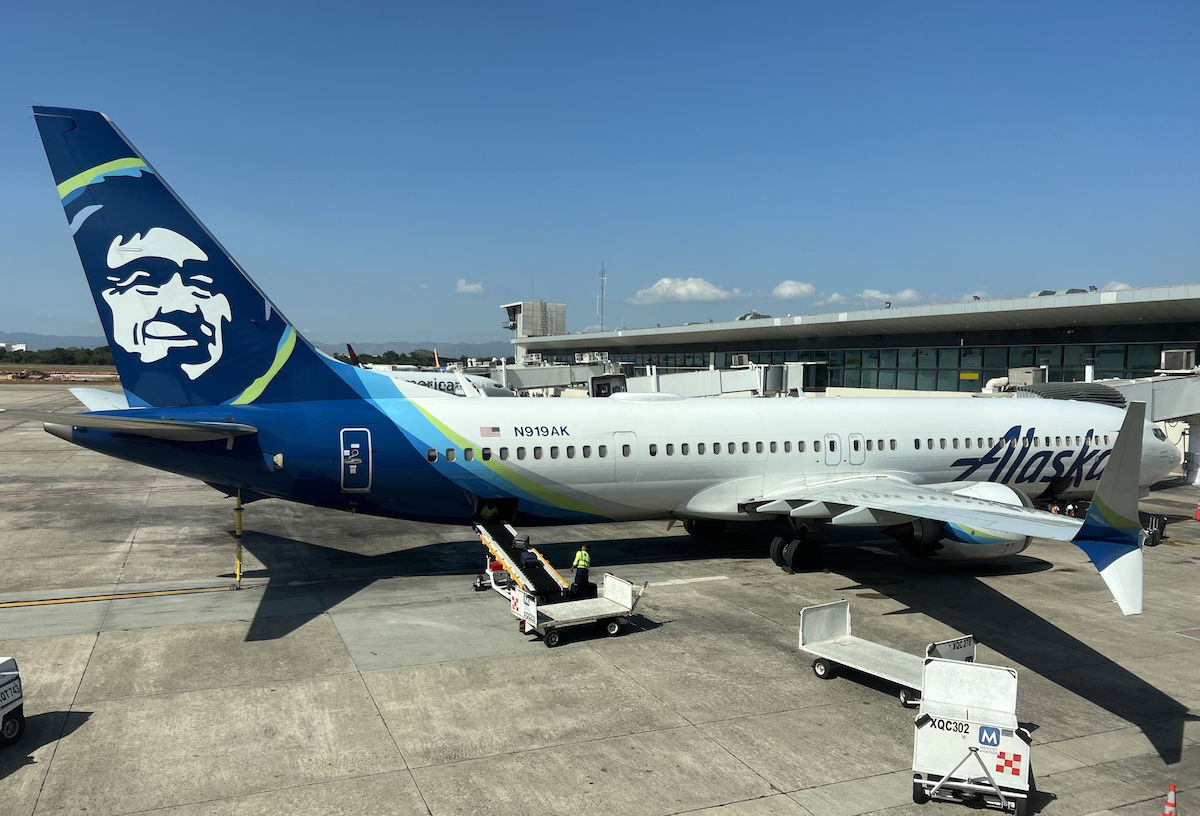
I know Alaska has its hands full with the Hawaiian merger, but it sure would be interesting to see the airline becoming more of a national player, given its success with loyalty. Alaska also has the advantage of being in the oneworld alliance, so you’d think there would be a lot of upside with the JetBlue hubs on the East Coast.
Bottom line
Earlier this year, there was a ton of talk of a possible acquisition of JetBlue. Then JetBlue and United announced a partnership, which will ramp up over time. While nothing has actually changed in recent months, a respected analyst makes the case that for JetBlue, consolidation is more likely than Chapter 11 bankruptcy, and he thinks we should watch consolidation in the rail industry.
The argument is that JetBlue and United combined would only have as much domestic market share as American or Delta. Meanwhile Alaska can’t be ruled out either…
What do you make of the prospects of more industry consolidation with JetBlue?