

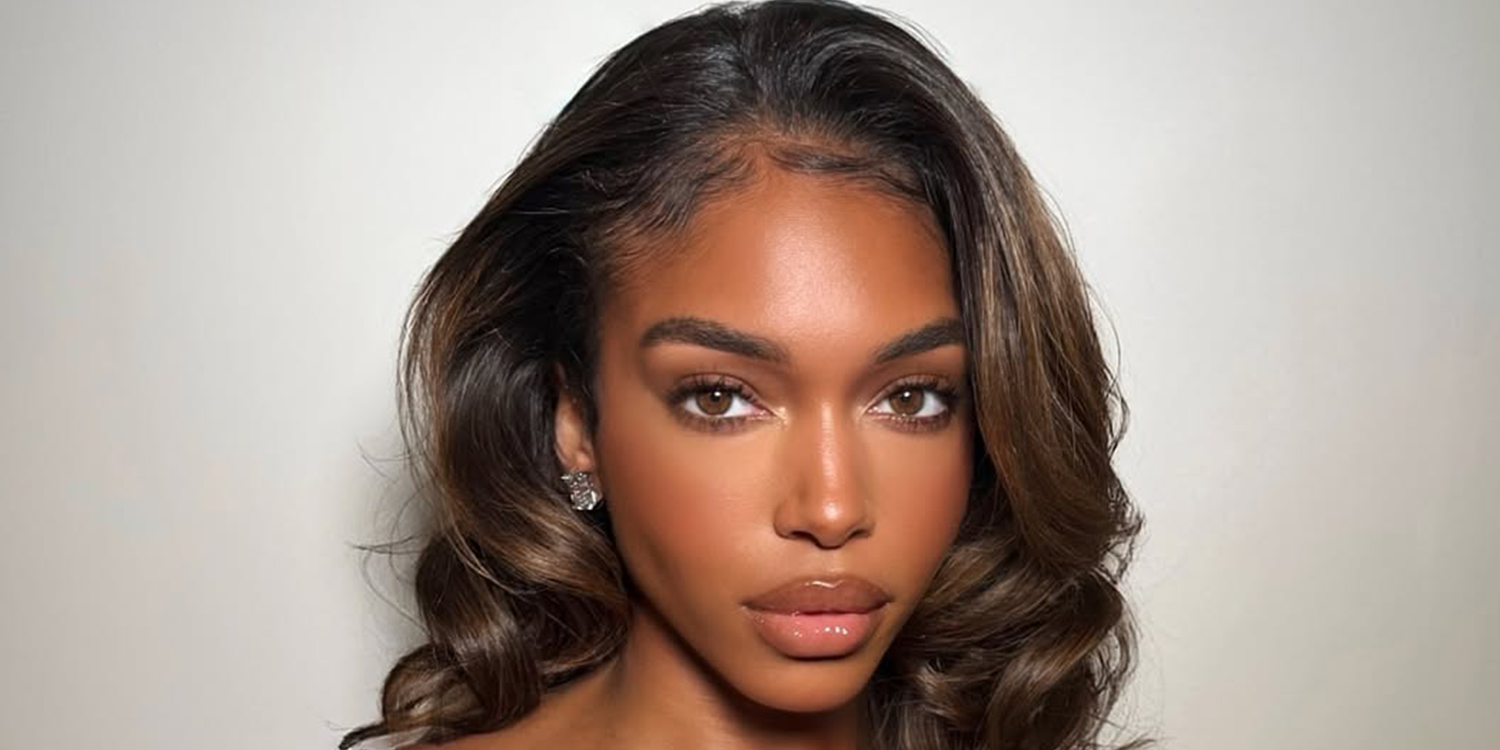
When it comes to straightening textured hair, two techniques have long reigned supreme: the silk press and the blowout. Both are celebrated for delivering sleek, smooth strands that highlight the beauty and versatility of natural hair. Still, choosing between the two isn’t always simple. Factors like hair health, styling preferences, and the level of maintenance you’re willing to commit to can all influence which option is best for you.
So, is one technique actually better for textured hair? To find out, we tapped expert stylists Sophia Emmanuel, Jacqui McIntosh, and Nafisah Carter to break down everything you need to know about silk presses and blowouts—from the techniques to how you can maintain your style for maximum longevity.
What Is a Silk Press?
Carter says that a silk press is a technique that involves blow-drying the hair and then smoothing it with a flat iron. “After the hair is blown out, it’s straightened using a hot tool such as a flat iron, straightening comb, or a combination of both,” she adds. “Some stylists wrap the hair and place their client under a dryer for a few minutes before combing it out.”
What Is a Blowout?
“A blowout is a technique that uses a round brush and a blow dryer to heat style hair,” Emmanuel says. “It is used to add voluminous curls that differ in size for a straight-to-sleek finished style.” Renowned for their versatility, McIntosh says blowouts can prep hair for other styles, including twist-outs and updos.
Silk Press vs. Blowout
Tools
To achieve a silk press, you will need a paddle brush and a blow dryer with a comb attachment. “These tools will help you achieve a smooth but voluminous blowout from the roots of your hair to the ends before it is flat-ironed,” Emmanuel explains. Emmanuel recommends using ceramic flat irons to straighten hair as they “release heat evenly and have a gentler glide as opposed to titanium flat irons that heat up quicker, get hotter and can burn hair if they’re not used carefully.”
For blowouts, you won’t need as many tools. The look can be achieved with different-sized round brushes and a blow dryer. “Rollers are also used in some techniques,” Emmanuel adds.
Technique
When it comes to a silk press, preparation is essential. Your hair will need to be thoroughly shampooed and conditioned before styling. “This should preferably be done using a smoothing or hydrating shampoo/conditioner,” Carter explains. “While the hair is damp, apply your leave-in conditioner, heat protectant, and any product you would use for smoothing and humidity resistance.
Once your hair has been prepped, it will need to be blow-dried until it’s fully dry. “Once hair is dry, it can be straightened in small sections using a flat iron or a combination of a straightening comb at the roots and a flat iron through the rest of the hair,” Carter says.
For blowouts, you’ll need to shampoo and condition beforehand, and apply a heat protectant or volumizing spray. “Once you apply the products to your hair, divide it into six to eight sections to make it easier to blow-dry your hair,” Emmanuel says. “For each section, you’ll need to use a round brush to dry your hair while creating smooth or voluminous curls.”
If you prefer a smoother finish for your blowout, then ask your stylist to use a large brush. “Smaller brushes create tight to medium curls or a bend at the ends,” Emmanuel adds.
Temperature
The temperatures used for a silk press will depend on your hair’s texture, porosity, and health, as well as the type of flat iron you use. “There’s no one-size-fits-all recommendation when it comes to temperature,” Emmanuel says. “If you’re using a flat iron, the settings will need to be adjusted based on your hair type and the overall health of your hair.”
The difference between a silk press and a blowout is that a blowout uses moderate heat, while a silk press requires a higher temperature to achieve a smooth, shiny look. Whichever temperature you choose, it’s essential always to use a heat protectant to avoid heat damage.
Longevity
McIntosh says that a silk press can last between one and two weeks with proper care. “Humidity-proofing your hair is essential if you want it to last,” she adds. Another way to preserve the style is to wrap or pin-curl your hair at night.
A blowout doesn’t last as long as a silk press, according to our experts. For finer or oily hair, the style typically holds for around three to five days. Those with thicker, coarser textures can often retain a blowout for longer—sometimes up to 5–10 days. “If you lead an active lifestyle or you have an oily scalp, this can shorten the duration of the style,” Emmanuel adds.
Is One Better Than the Other?
All our experts say that one technique isn’t better for textured hair than the other. “Both styles require skill and an understanding of the hair’s texture, porosity, and controlling heat usage to prevent damage,” Emmanuel says. “Silk presses tend to work best for type 3c through to 4c as they last longer and there is less pulling from the round brush on these hair types.”
Ultimately, your choice may also depend on your personal preferences. “Silk presses are ideal for those who desire ultra-smooth hair without chemical straighteners,” McIntosh says. However, if you want to reduce the amount of heat you apply to your hair, then a blowout might be better for you. “Blowouts stretch and smooth the hair without the higher temperatures that are required for a silk press,” Carter says.